Finding clothing that fits well and looks balanced can be a challenge for tall people with bigger frames. The key is proportional dressing. When you understand how to balance your height and width with the right cuts, accessories, and styling choices, you can create a look that feels both comfortable and stylish.
In this guide, we’ll walk you through practical strategies to highlight your best features while ensuring your outfits feel cohesive and flattering.
Choosing Jackets and Outerwear That Balance Height
Jackets and coats are often the first pieces people notice. For tall and extended frames, the length and structure of outerwear make a big difference. Longer coats can emphasize height, but when tailored correctly, they add elegance instead of bulk. Look for jackets that hit mid-thigh or just above the knee to create a balanced silhouette. Structured shoulders and defined waistlines help prevent the fabric from overwhelming your frame.
In addition, avoid overly short jackets, as they can make your torso appear disproportionate. Instead, opt for designs that elongate without exaggerating your height. Layering with vests or lightweight blazers can also add dimension without adding unnecessary width.
Selecting Shirts and Tops That Create Proportion
Shirts and tops are the foundation of everyday dressing. For tall individuals with larger frames, the fit around the shoulders and chest is crucial. Choose shirts with vertical details, such as subtle stripes or seams, to guide the eye upward and downward, creating a streamlined effect. Longer sleeves that reach the wrist are essential, as shorter cuts can look awkward on extended arms.
Fabrics with structure, like cotton blends, help maintain shape, while softer materials can drape nicely without clinging. To avoid looking boxy, consider tops with slight tapering at the waist or curved hems that add movement. Layering with cardigans or lightweight sweaters can break up your frame and add balance.
Finding Pants and Bottoms That Complement Long Legs
Tall frames often come with longer legs, which can be both an advantage and a challenge. Pants should fit well at the waist and fall naturally along the leg line. Straight-leg or slightly tapered trousers are excellent choices, as they provide structure without overwhelming your proportions. Avoid overly skinny cuts, which can make your legs appear even longer, and steer clear of excessively wide styles that add bulk.
For casual wear, dark denim with a clean finish works well, while tailored slacks elevate professional looks. Pay attention to inseam length, ensuring pants break just above the shoe for a polished finish. When styled correctly, bottoms can anchor your height and create a balanced overall appearance.
Using Accessories to Add Balance and Personality
Accessories are powerful tools for proportional dressing. Belts, scarves, and jewelry can break up long lines and add focal points. For tall frames, wider belts work better than thin ones, as they provide definition without getting lost. Scarves worn loosely or draped add softness and dimension to the upper body.
Jewelry should be chosen with scale in mind—larger frames can carry bold pieces more easily than delicate ones. Watches, cufflinks, and statement necklaces can all enhance your look while maintaining proportion. Accessories also allow you to express personality, making your outfit feel more intentional and complete.
Styling Large Hats for Extended Frames
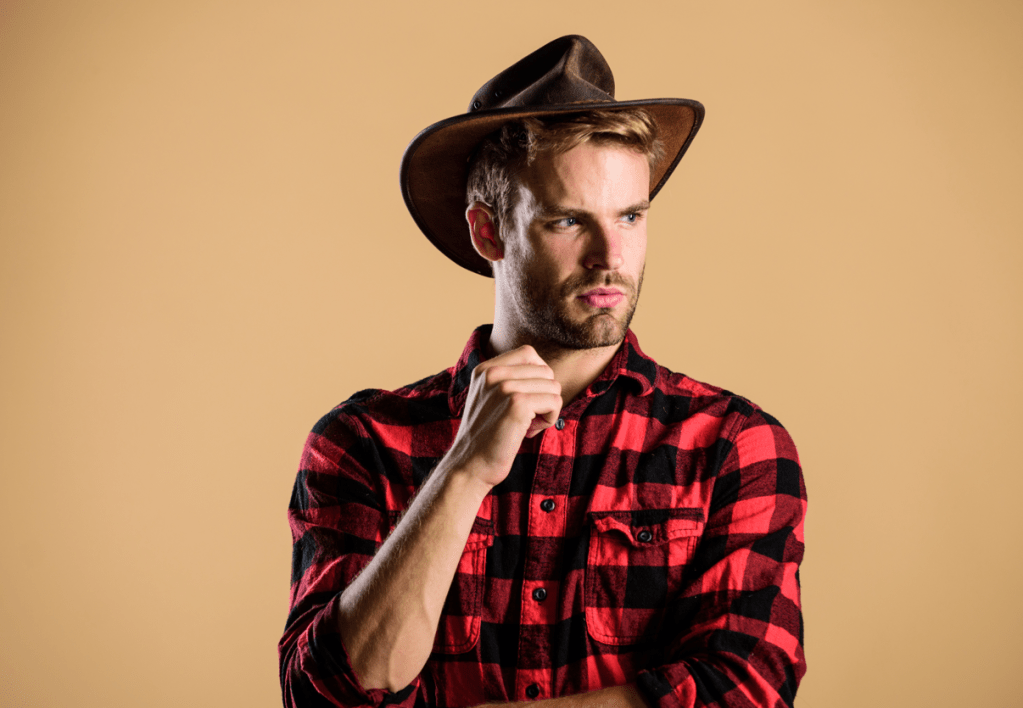
Headwear is often overlooked, but it plays a vital role in balancing tall and broad frames. Large hats and big head hats are excellent options because they match the scale of your body without looking undersized. A wide-brimmed fedora or structured sun hat can add symmetry to your look, drawing attention upward while balancing your height.
Avoid small caps or narrow-brimmed hats, as they can appear disproportionate and emphasize size awkwardly. When chosen thoughtfully, hats not only protect from the sun or cold but also serve as stylish accessories that complete your outfit. They add confidence and presence, making them a smart choice for tall individuals who want to embrace their frame.
Choosing Footwear That Grounds Your Look
Shoes are more than functional—they anchor your entire outfit. For tall people with bigger frames, footwear should provide balance and stability. Chunkier styles, such as boots or structured sneakers, work well because they visually support your height.
On the other hand, slim or delicate shoes can look out of place, making your frame appear top-heavy. Neutral tones are versatile, but don’t shy away from bold colors or textures that add personality. The right footwear ensures your outfit feels complete and proportional, while also offering comfort for longer strides and extended wear.
Conclusion
Proportional dressing is about harmony. For tall and extended frames, the goal is to balance height and width with clothing and accessories that feel intentional and stylish. Jackets with structure, shirts with vertical details, pants that fit naturally, and accessories that scale with your frame all contribute to a cohesive look.
Large hats, bold footwear, and carefully chosen details allow you to embrace your size with confidence. When you dress proportionally, you highlight your strengths and create a style that feels both comfortable and empowering.
 Stylique
Leave a comment